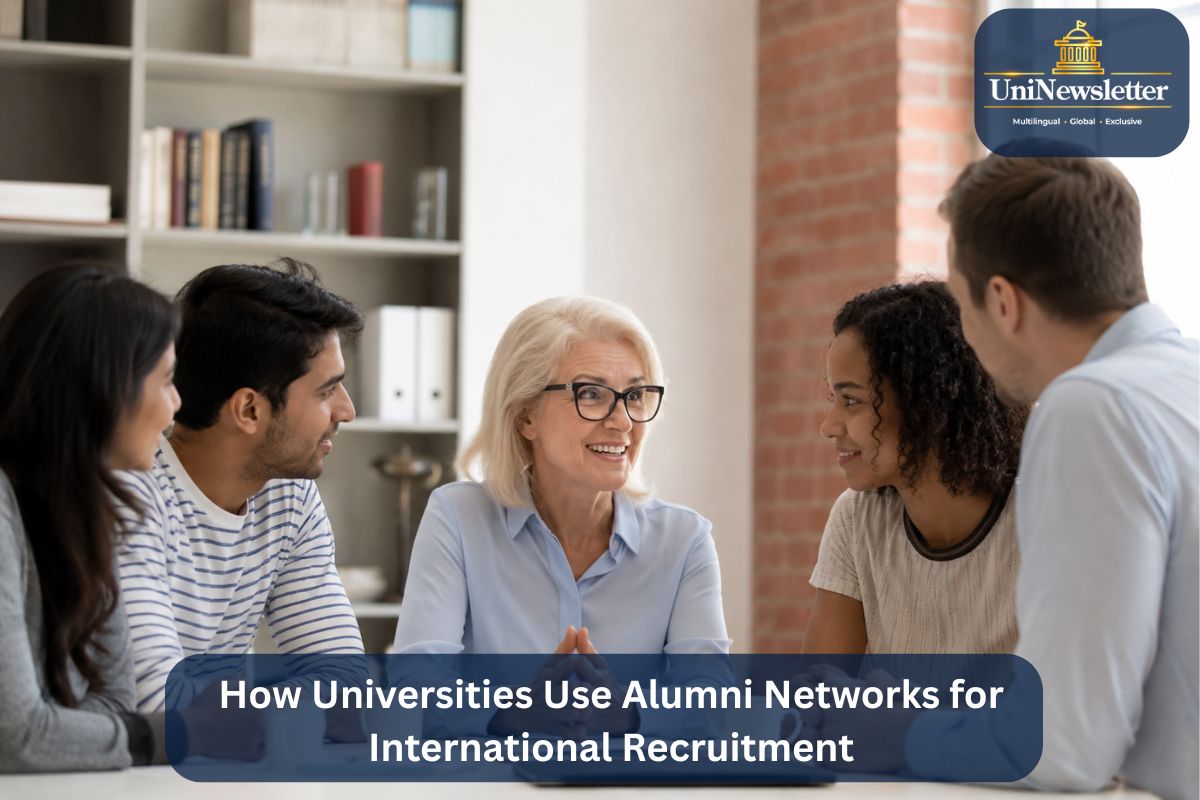
How Universities Use Alumni Networks for International Recruitment
Think of your own experience of choosing a university. Most probably, you delved deeply into complex portals, studied brochures, and cross checked international rankings. Yet, for the majority their last decision wasn't the direct outcome of any marketing campaign. It was engendered by an
honest talk with a graduate. Whether it is a colleague or a contact obtained through a professional network, their personal experience was more influential than any company message.
The global Higher Education market of 2026 shows that universities face major difficulties when they try to build trust with International Students. Information exists in abundance but there is a lack of authentic content. Universities are increasingly moving away from traditional advertising
and toward their most valuable asset: their alumni. The presence of graduates demonstrates that a degree leads to actual employment thus establishing them as the ideal link between local campuses and international audiences.
At
UniNewsletter
, we see alumni storytelling and graduate success narratives becoming one of the most effective tools for strengthening institutional credibility and international student engagement.
What Are Alumni Networks in Higher Education?
An alumni network is the community of graduates a university maintains ongoing relationships with after they leave campus. The network functions as a distributed group of trustworthy supporters who represent the university in different regions to recruit students from areas where the
university lacks direct access.
The authenticity of alumni networks establishes their uniqueness from all other recruitment methods. A current student or recent graduate who shares their experience through video calls or local community events establishes a level of trust which institutional marketing cannot create. 84% of
prospective students say they trust peer-like personalized recommendations over generic institutional ads, and alumni sit at the top of that trust hierarchy for students considering study abroad.
The development of international alumni networks has become essential for universities which face increasing competition in the current global recruitment landscape. The university requires its essential components.
Why Alumni Matter in International Student Recruitment
International student recruitment has reached its most competitive point while traditional recruiting methods show decreasing effectiveness.
ApplyBoard's Fall 2026 Recruitment Partner Pulse Survey
revealed that 50% of prospective students considered "welcomeness" as their main factor for choosing a destination which increased from the last recruiting cycle. A brochure cannot convey that particular information. Alumni naturally demonstrate this trait by sharing their personal
experiences.
92% of Gen Z students said connecting with a peer was helpful in their decision-making process. For international students navigating unfamiliar systems and weighing real financial risk, peer guidance from alumni is often the deciding factor, not the university's ranking or its marketing
spend. You can read more about how trust shapes enrollment decisions in our piece on
why university brand reputation is your most powerful recruitment tool
.
How Universities Use Alumni for Recruitment
The process of establishing a successful network connection requires more than just establishing casual connections. Leading schools have developed organized programs that allow alumni to participate in student recruitment processes after they built formal programs which unite both alumni and
student admissions work:
Successfully leveraging a network requires moving beyond casual referrals. Leading schools are now formalizing the alumni role in student recruitment by creating structured programs that integrate graduates into the enrollment funnel:
Alumni Ambassadors at Regional Events:
Local universities give their regional graduates permission to represent their institutions at international education fairs. Vietnamese students in Hanoi meet with Vietnamese graduates who achieved success through Australian and American educational systems which establishes an immediate
cultural understanding between two groups. Parents can speak with these ambassadors in their own language about safety and housing and cultural adjustment which leads to higher application rates.
Targeted Career Mentorship:
The process of matching high-potential applicants with alumni mentors who specialize in their field of study functions as an effective conversion instrument. A data scientist from Brazil wants to study in the United States and will be matched with a Brazilian alum who now works in Silicon
Valley. The student requires this connection because it provides him with information about his potential future career paths which the university
international student recruitment plan
establishes through its customized employment connection framework.
Virtual Information Sessions (AMA):
Alumni conduct "Ask Me Anything" sessions through digital platforms to explain the practical aspects of student life. The content does not serve as refined advertising material because it presents authentic conversations about part-time employment options and living expenses and academic
workload management. The alumni protect international families from danger by sharing "insider" information which helps them feel secure throughout the transition process.
Digital Success Stories and Advocacy:
The universities recommend their graduates to display their professional achievements through LinkedIn while tagging their respective universities. The university's educational influence shows permanent professional development through this visible record. The school establishes its
brand reputation
through the continuous employment of its graduates by leading international companies.
University Alumni Engagement Strategies
Alumni relationships which end at graduation day create barriers that prevent alumni from supporting the university. The university needs to establish effective alumni engagement strategies which maintain ongoing two-way value exchange relationships with their alumni network.
Providing Continued Professional Value:
Successful institutions provide their alumni permanent access to university resources which include research databases and executive education programs at reduced prices. The
Times Higher Education
study on institutional reputation found that supporting a graduate's development enables them to contribute to recruitment activities.
Developing Regional Leadership Hubs:
The university establishes permanent market presence through its creation of
regional recruitment centers
which it staffs with successful alumni. The hubs provide local networking events and professional development workshops which enable the university to maintain its presence in local educational discussions without needing extensive physical space.
Active Career Networking Support:
The university develops strong loyalty among its alumni through exclusive networking events which help them find their second or third job after their first employment. Alumni who believe the university continues to support their professional development will dedicate their time to inform
prospective students and participate in recruitment events.
Formal Recognition and Spotlight Programs:
The university uses "Alumni Spotlight" features which appear in UniNewsletter and campus events to publicly acknowledge graduate accomplishments. Alumni develop greater university affiliation when their alma mater acknowledges their presence and importance to the school community.
The Real Benefits of Alumni-Driven Recruitment
Alumni-driven enrollment strategies provide universities with immediate recruitment benefits while creating long-term results which extend beyond these benefits.
Reach without proportional cost -
The network of engaged alumni who operate in 40 countries provides a more affordable solution than maintaining 40 local recruitment offices. The network delivers its highest value to institutions which require assistance to
enter new recruitment markets
while maintaining their budget constraints.
Trust that advertising cannot buy -
Alumni testimony becomes credible through its demonstration of authentic human experience which extends beyond its polished presentation found in official institutional communication.
Long-term brand strength -
The university gains permanent market reputation benefits from every positive alumni story which students share in their home communities at no cost to the institution.
Stronger retention signals -
Active alumni engagement at universities establishes a direct relationship which increases student satisfaction because students become aware of their post-graduation community network.
Challenges in Leveraging Alumni Networks
Managing a global network of volunteers is complex. As universities expand, they often face these four primary CRM migration challenges and organizational hurdles:
Maintaining Data Accuracy:
The workforce in 2026 operates with extreme mobility. The organization faces difficulties because maintaining an accurate database requires constant effort, which results in recruitment problems when contact details become outdated. The
Digital Transformation in Alumni Relations
has become a solution for many institutions because it provides automated systems which update data while preserving connections with alumni.
Navigating International Privacy Laws:
Alumni organizations must follow strict global privacy rules such as GDPR when they share prospective student information. The universities need to create secure communication systems together with formal "Ambassador Agreements" to protect student data according to legal requirements that
apply across various regions.
Ensuring Consistent Messaging:
While the authenticity of an alum is a benefit, it can lead to inconsistencies. A graduate who attended years ago may not be aware of new facilities. According to the
IIE Open Doors Report
, keeping messaging accurate is essential for maintaining the integrity of higher education recruitment strategies.
Managing Volunteer Commitment:
Relying on the goodwill of busy professionals can lead to "volunteer fatigue." Many alumni struggle to maintain commitment during busy periods in their own careers. Universities need to create sustainable models which present students with short tasks that include a single 20-minute call.
Where This Is Heading
The direction of travel is clear. Alumni networks are becoming more digitally enabled, more data-driven, and more integrated into the broader international recruitment strategy rather than sitting as a separate alumni relations function.
The universities use CRM systems together with engagement platforms to monitor alumni interactions while determining which alumni interact most in areas important for recruitment activities, which they use to customize their outreach programs. The AI-powered matching system connects students
with alumni who possess the required experience and share the same nationality and field of study and professional interests as the students.
The
process of selecting universities by students
now depends more on technological advancements which also transform alumni network systems. Educational institutions that prioritize current investments in essential resources will establish sustainable methods to engage their alumni network through infrastructure development and platform
creation and training programs and community development initiatives.
Conclusion
For International Students, a degree is a major financial and personal investment in their future. They aren't looking for a sales pitch; they are looking for evidence of success. By mobilizing a global network of graduates, universities provide that evidence in the most credible way possible.
When your alumni are engaged and well-informed, they stop being "former students" and become the most influential part of your recruitment team.

 26-05-2023
American University of Ras Al Khaimah
26-05-2023
American University of Ras Al Khaimah 


 Featured Video