Have you ever wondered why two students with identical grades can receive completely different results from the
same university? One student receives an acceptance letter together with a scholarship while the other student gets
a formal notification of rejection. The application process itself determines student success because it creates a
barrier between students and their potential.
When navigating higher education on a global basis, it’s like putting together a very difficult puzzle. This is
particularly true for international students. The choice of what school and whether or not to study abroad has an
impact that goes far beyond the application process. An error in the application process solely does not result in a
rejected application; however, errors in the application process can result in a loss of money and time that cannot
be regained. At
UniNewsletter
, we help students and institutions better understand these challenges by providing insights and guidance on making
informed decisions throughout the global education journey.
Why Students Make Mistakes When Applying Abroad
The jump from a domestic application to an international one is massive. When you apply locally, you understand the
system. When you apply globally, you are dealing with different time zones, grading scales, and cultural
expectations.
According to
UNESCO’s Institute of Statistics
, more than 6 million students worldwide are studying internationally and many more are projected to study
internationally in the future. The addition of more and more students is creating a highly competitive environment
with a very limited amount of room for error. Most of the common mistakes made in applying to study abroad occur due
to the many students trying to complete “one-size-fits-all” applications as opposed to developing a well-thought-out
strategy for applying.
Mistake #1: Inadequate University and Course Research
How important is university research in the application process? It is the foundation of everything. Many students
choose a university based on "name brand" or a high-ranking list without checking if the course actually fits their
career goals.
One of the most significant mistakes that students commit when applying to universities abroad is applying just
because of the university's prestige. This may lead you to be in a city you cannot afford to live in or in a course
that does not meet your needs in terms of finding an industry placement at the end of your studies. Therefore, you
should have a
step-by-step process to use before applying for a university
. This process should include your budget and what you want out of a university in terms of lifestyle factors and
how it will affect your professional career after graduation.
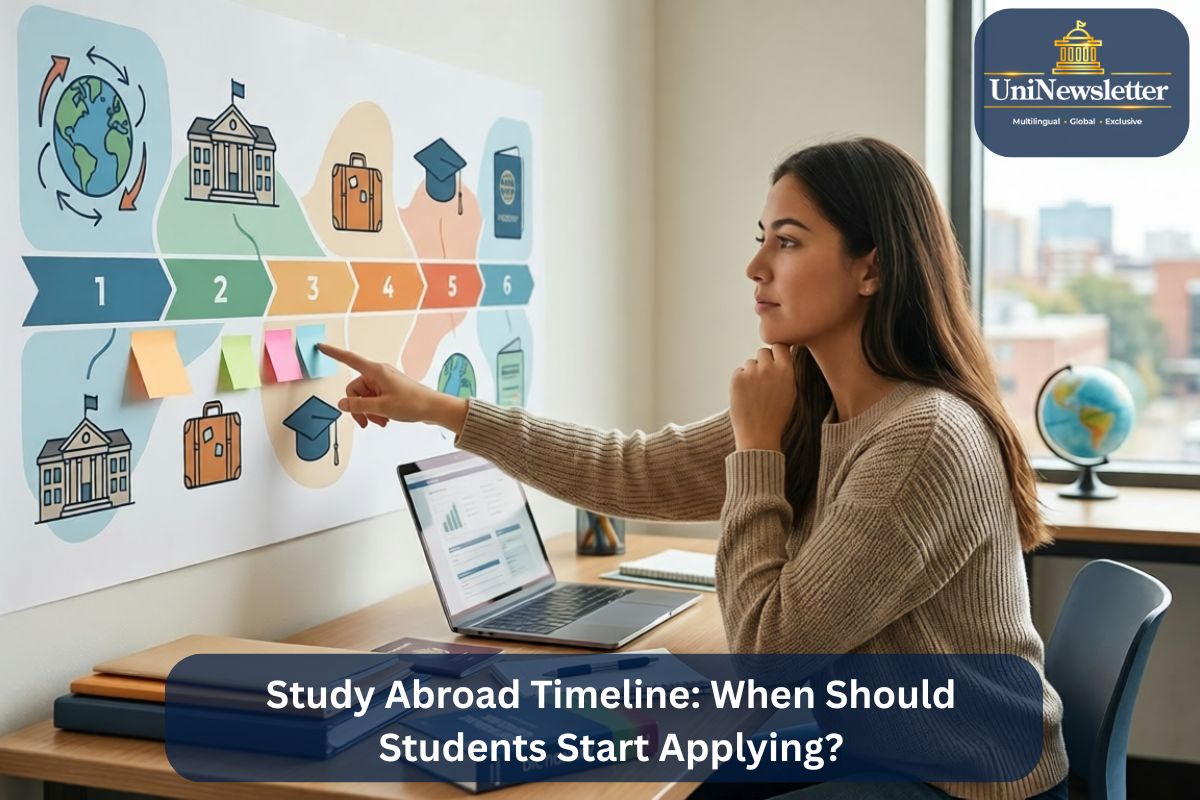
Mistake #2: Missing or Mismanaging Application Deadlines
Time is the one thing you can't get back. How early should students start applying abroad? Experts at
The College Board
generally suggest starting your research 12 to 18 months before you intend to step onto campus.
University application mistakes international students often make include forgetting that "deadline" means
something different in every country. Universities can be divided into two groups. Some have a "rolling admission"
process for accepting new students, while other universities only accept students once a year at a specific date.
Missing the deadline to apply to your dream school may require you to wait an entire year before you will be able to
apply again. If you do not plan accordingly, you not only risk not getting admitted, but it also affects your entire
life plan.
Mistake #3: Submitting Weak or Generic Application Documents
What documents are most often done incorrectly? The Statement of Purpose and Letters of Recommendation function as
the two most common study abroad application errors which applicants frequently make mistakes with.
Universities can tell within thirty seconds if you have "copy-pasted" your essay from a template on the internet.
Admission officers are looking for your "voice." Your application to school must clearly state your reason for
wanting to attend their school and study in their major. If not, your application will likely end up in the rejected
pile. This is another international student application mistake students make, applying to too many schools without
any real thought to the individual applications.
Mistake #4: Ignoring Financial Planning and Funding Requirements
The practice of studying abroad requires students to invest in their future, yet international study costs remain
unknown to most students who fail to read all program details. Tuition fees are only part of the total cost. There
are also significant costs associated with living abroad, having health insurance, and travelling while abroad.
Why do students get rejected from universities abroad? Frequently, it’s because they cannot provide "Proof of Funds"
that meets the specific government requirements of the host country. To avoid this, you need to stay updated on
study abroad trends regarding scholarships and affordability
. According to
HSBC’s Value of Education report
, nearly 40% of parents underestimate the total cost of their child’s international education.
Mistake #5: Not Understanding Visa and Compliance Requirements
Will Poor Planning Affect Admission And Acceptance To Your Study Abroad Programs? Yes, you can indirectly hurt your
chance at admission and acceptance into studying abroad by not doing enough research on how to get a study visa (as
universities can see that you haven't done enough research into what the visa requirements are). However, this first
hurdle has been passed after you've received a study abroad offer. After receiving a study abroad offer, many
applicants do not pass the last hurdle. The last hurdle is getting approved during their 2nd visa interview.
The Legal Aspect of Studying Abroad: As much as you focus on your academics, make sure you also take a proactive
approach to understanding the legal aspect of applying for a study authorisation. Every
common mistake made when applying for a study visa
has a potential of leading to your study visa being denied, and therefore making it difficult for you to study
abroad again for many years.
How to Apply to Universities Abroad Correctly
Now that we know the "don'ts," let’s talk about the "dos." How can students apply to universities abroad correctly?
It starts with organization.
Master Spreadsheet:
Record every application deadline for every school you are interested in along with all the documents required for
each of the applications and all your logins.
Tailor Each Application:
Write a specific and unique SOP for each university detailing professors in your field of study or specific
classes offered at that university.
Get An Outside Opinion:
Have a mentor or professional advisor review your application documents so they can identify any errors related to
university admissions.
Stay Up To Date:
Understand
what other international students are looking for
in terms of safety, social services, account services and post-graduation working abroad.
Practical Study Abroad Application Tips
The "3-Apply Rule":
The "Rule of Three" requires students to choose one "reach" school which represents their dream school and one
"target" school which they will probably gain admission to and one "safety" school which they will definitely gain
admission to.
Verification:
All your transcripts need translation and verification through organizations such as
WES (World Education Services)
which should be completed before any required documents.
Language Proficiency:
Students should not postpone their IELTS and TOEFL testing until the last day because
British Council research
shows that many students miss their application deadlines when they do not receive their test results in time.
Check the Embassy:
Visit the official
government visa portals
of your destination country early to understand the biometric and health check requirements.
Conclusion
Applying to university in another country has got to be the most thrilling and stressful thing that you will ever
do. The following are common mistakes to be avoided when applying to universities abroad. Most, however, can be
avoided with one thing only: time.
The earlier you start, the better (begin with independent and thorough research), and the more careful you are in
preparing your documents , will help you stand out among the many applicants. The admissions office will not only
look for students who are very smart; they will want to see how ready they are to accept the challenge of adapting
and living in an unfamiliar environment.
There are five main mistakes to avoid; our study abroad application tips will surely help you get closer to
starting your international adventure with confidence.
Explore Top Universities for 2026!

 26-05-2023
American University of Ras Al Khaimah
26-05-2023
American University of Ras Al Khaimah


 Featured Video