
Published on Apr 2026
Share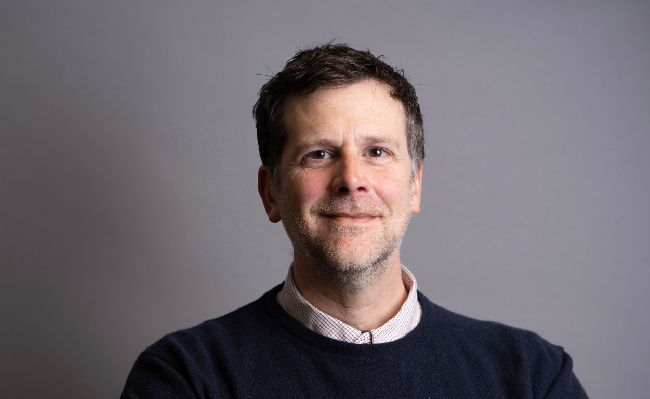
Stuart Norton, PFHEA Head of Educational Excellence Advance HE
Higher education is in one of the most significant periods of change in its history. Economic uncertainty, rapid shifts in workforce needs, global demographic change and sharp rises in student expectations mean that the traditional structures of universities are under unprecedented pressure. Institutions across the world are being asked to deliver more, demonstrate more and justify more. This is often with fewer resources and in more complex regulatory environments. Transformation, therefore, is no longer an aspiration. It is an operational necessity.
However, the critical point is not whether transformation is required, but how we ensure that it is meaningful, evidence-based and aligned with what matters most: student success.
At Advance HE, our work globally shows that universities achieving sustainable transformation share a common approach. They view student success not as a single initiative or metric, but as an organizing principle that guides system-wide improvement in teaching, learning, support and institutional culture. Where this is absent, institutions often experience fragmented initiatives, competing priorities and limited evidence of sustained impact. Transformation that endures is disciplined, strategic and focused on long-term value rather than short-term response.
The Shifting Global Context
Across regions, including the UK, the Middle East, North Africa, Asia and Australasia, governments are reforming tertiary education at pace. Quality assurance systems are tightening. Funding pressures are reshaping organizational priorities. Employers are calling for graduates who can navigate complexity, work across cultures and adapt to emerging technologies. Students, in turn, are seeking clear value, targeted support and authenticity in their learning experience. These pressures are not temporary. They reflect structural shifts in how societies learn, work and connect.
Universities are increasingly expected to demonstrate impact on economic growth, social mobility and national development. Providers that cannot show how they maintain academic standards, adapt to new modes of delivery or support diverse student cohorts risk losing the trust of the stakeholders who matter most. This is why transformation must be purposeful, not reactive and why structured approaches to student success play such a significant role.
Student Success: More than a Metric
Student success extends well beyond continuation rates or employment outcomes. It encompasses the conditions that enable students to engage, belong, progress and thrive, intellectually, professionally and personally. Reducing student success to a narrow set of metrics risks masking the very conditions that enable success in the first place.
These conditions include the quality of teaching and assessment, the inclusivity of curriculum design, the relevance of learning pathways, the effectiveness of student support and the wellbeing and capability of both staff and students.
The Advance HE Essential Frameworks for Enhancing Student Success were developed to help institutions articulate and strengthen these conditions. They provide nine evidence-based themes, offering a shared language for driving improvement across:
Together, these frameworks reinforce a simple truth: sustainable transformation begins with understanding how teaching, support systems and institutional structures combine to shape the student experience.
Drivers of Transformation
Across global contexts, three drivers of transformation consistently stand out.
Protecting and demonstrating academic standards
Policy reform is accelerating worldwide. From updated registration requirements in Wales, to evolving tertiary governance in Scotland and quality reforms across Gulf Cooperation Council countries, regulatory expectations are becoming clearer and more stringent.
Meeting minimum standards is no longer sufficient. Institutions must be able to demonstrate, systematically and transparently, how those standards are being upheld in practice. This challenge is heightened in an AI-enabled environment, where providers must show not only compliance, but also confidence in the academic judgment underpinning their awards.
This requires:
Institutions that embed these practices are better positioned to protect their reputation, respond to external scrutiny, and reassure students that their learning is supported by a strong academic foundation.
In times of financial pressure, professional development is often one of the first areas to be reduced. Yet it remains one of the most important mechanisms for protecting teaching quality and supporting student achievement.
Educators need opportunities to strengthen their pedagogic practice, develop confidence in digital learning, enhance assessment literacy and adopt culturally responsive approaches. Leaders, in turn, need support to navigate complexity, steward quality and build environments where colleagues can collaborate and innovate.
Frameworks such as the Professional Standards Framework (PSF) provide a shared vocabulary and clear expectations for teaching and supporting learning. When used consistently, they help create coherent progression routes, strengthen institutional capacity and foster cultures where staff feel valued and trusted. Simply put, staff development is not a cost. It is an investment in institutional resilience, and one of the clearest indicators of long-term quality.
Designing programs that are relevant, inclusive and future-focused
Students are seeking clearer pathways to employment, greater flexibility in how they study and assessment that is transparent, fair and aligned with real-world expectations. Program design remains one of the most powerful levers an institution has.
Effective design:
When program design is coherent and intentional, it reduces friction across the system rather than creating new points of pressure. Well-designed programs support student progression, enable manageable staff workloads, and strengthen institutional narratives around value and standards.
A Structured Approach to Transformation
Meaningful transformation requires a true systems approach. It requires institutions to understand how their strategies connect, where strengths lie and where improvement is needed.
One increasingly necessary approach supporting institutions globally is the adoption of structured, evidence-based models focused specifically on student success. At Advance HE, we have been working with international partners to develop the Student Success Impact Framework (SSIF) —a rigorous process that helps institutions benchmark their strategies against established best practice across the nine student success frameworks.
The model supports providers to:
Capturing and evidencing impact is only one part of a wider improvement journey. Global conversations increasingly point to the value of supportive, enhancement-focused approaches that help institutions prioritize effectively, tell their story with confidence and maintain academic standards in a changing world.
Transformation with Purpose
Higher education will continue to navigate uncertainty. But the challenges facing the sector do not diminish the role of universities—they amplify it. Providers that place student success at the heart of their strategy are better positioned to respond to policy shifts, meet employer expectations and create environments where both staff and students can thrive.
The sector does not lack commitment to student success; it lacks coherence in how that commitment is enacted and evidenced. Transformation is not about rapid change for its own sake, but rather about building systems that are stable, intentional and centered on people.
As a sector, we are strongest when we learn from each other. Advance HE will continue working alongside institutions worldwide, offering frameworks, evidence and collaborative spaces that support both enhancement and innovation. Ultimately, transformation is not only about staying competitive. It is also about ensuring higher education remains a powerful force for opportunity, equity, and societal progress, now and for generations to come.